


October 1, 2026
John Skelly
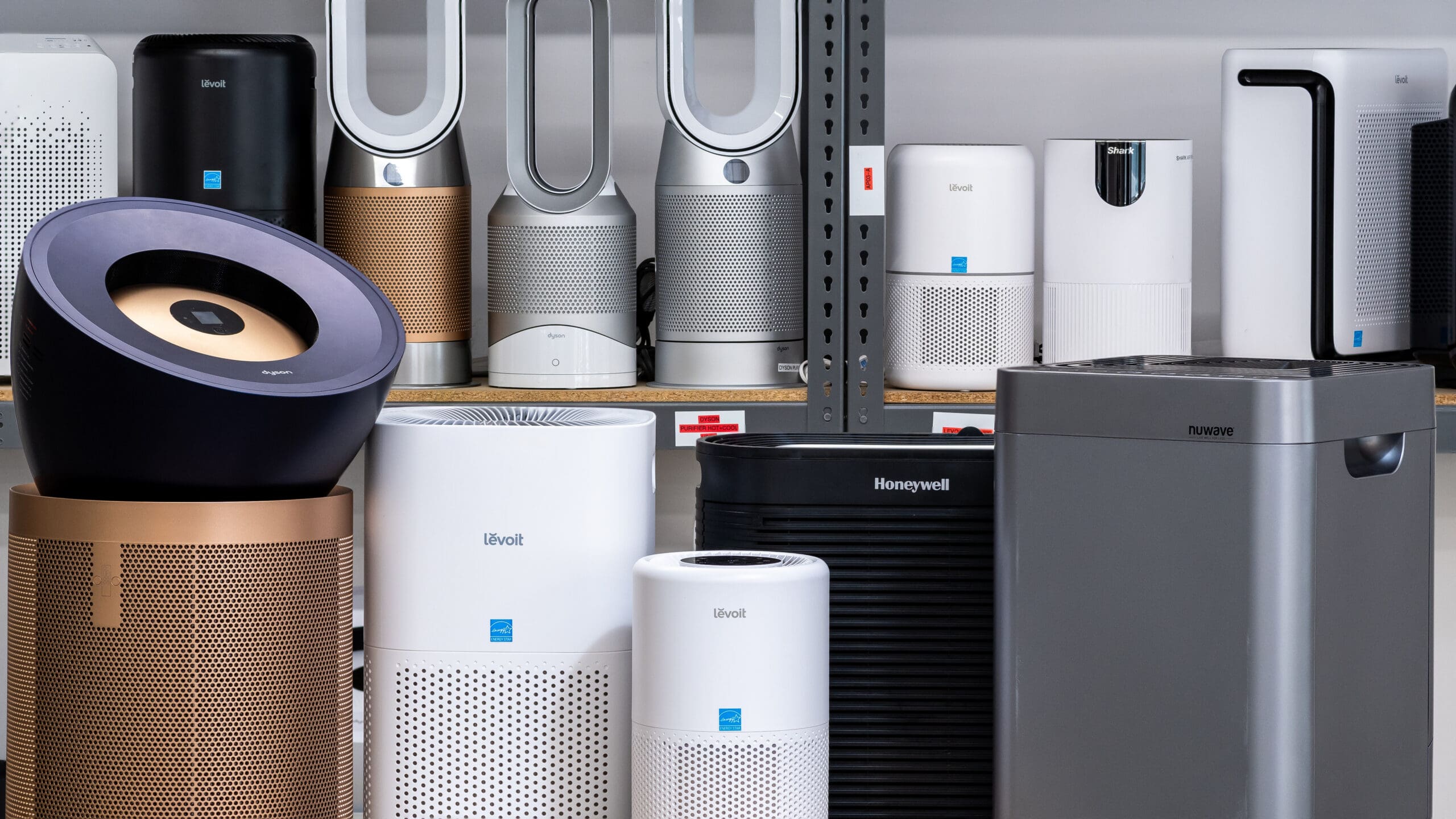
Key Takeaways About Air Cleaners
- The best air cleaner for mold should have strong particle filtration, enough airflow for the room, and no intentional ozone generation.
- Honeywell HPA300, AirDoctor 3500, and IQAir HealthPro Plus XE are three options worth comparing at different price points.
- An air cleaner can reduce airborne mold particles, but it cannot remove mold growing on building materials or fix the moisture problem causing it.
If you’re looking for the best air cleaner for mold, I would focus less on marketing claims and more on three things: airflow, filtration, and proper room sizing. CADR – clean air delivery rate
The three models I would compare are the Honeywell HPA300, AirDoctor 3500, and IQAir HealthPro Plus XE.
I have not personally tested every air cleaner on the market, so I would not call any one machine universally best. These three simply offer good options at different price points based on their published specifications.
1. Honeywell HPA300: Best Affordable Option
The Honeywell HPA300 is a good choice if you want straightforward HEPA filtration without spending premium money.
It has a smoke CADR of 300 CFM and is AHAM Verifide for 4.8 air changes per hour in a 465-square-foot room. It uses True HEPA filtration along with an activated-carbon prefilter.
What I like about this type of unit is its simplicity. You are getting good airflow and proven particle filtration without paying for a lot of extra features.
Best for: Bedrooms, offices, and medium-to-large rooms where particle filtration is the main goal.
2. AirDoctor 3500: Best Overall Option
The AirDoctor 3500 is a stronger all-around option if you want particle filtration plus more gas and odor filtration.
It has a published smoke CADR of 340 CFM and is rated for four air changes per hour in a 630-square-foot room. It uses a prefilter, AirDoctor’s UltraHEPA filter, and a carbon/VOC filter.
I would pay more attention to the CADR and room sizing than to extremely small particle-size claims in the marketing. A highly efficient filter still needs enough airflow to clean the room effectively.
The unit also includes an optional ionizer. For environmentally sensitive clients, I would generally leave that feature off and rely on the filtration system unless there is a specific reason to use it.
Best for: Someone who wants strong overall filtration with additional carbon and VOC filtration.
3. IQAir HealthPro Plus XE: Premium Option
The IQAir HealthPro Plus XE is the premium choice.
It combines IQAir’s HyperHEPA particle filtration with its V5-Cell gas and odor filter. IQAir states that its systems use mechanical filtration without ionization or ozone generation.
This may make it especially appealing to someone who wants higher-end particle filtration plus more substantial gas and odor filtration.
Best for: Environmentally sensitive clients or anyone who wants a premium filtration system and is willing to spend more.
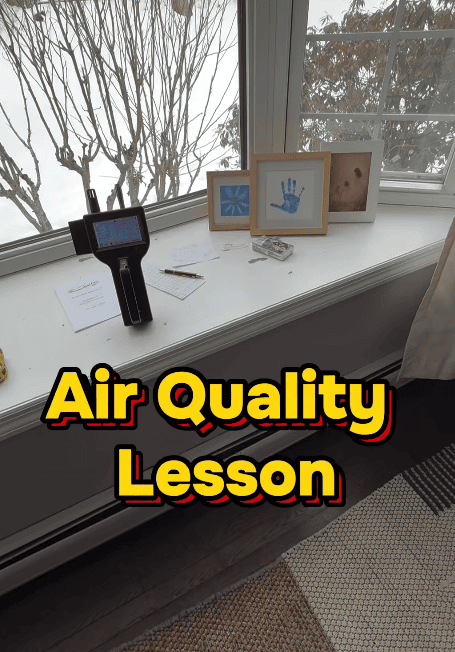
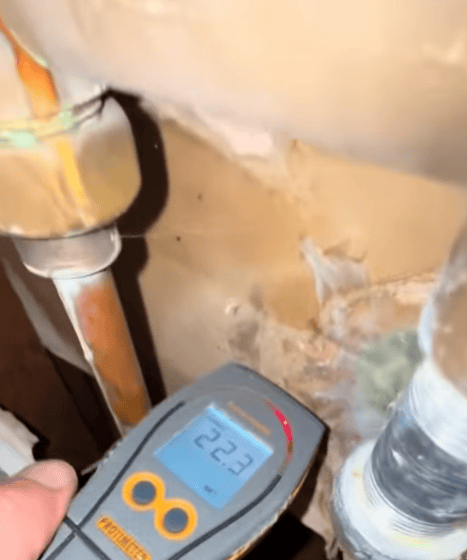
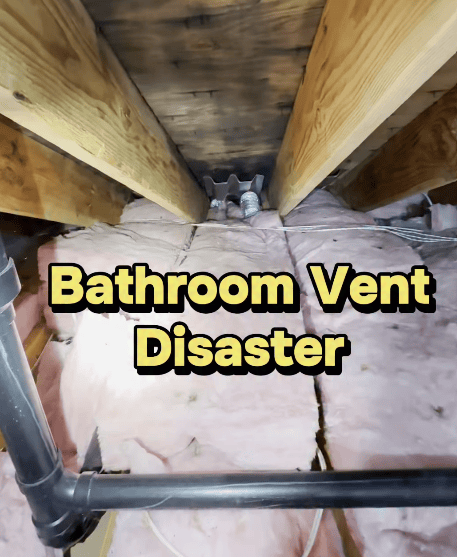
Photos via https://www.instagram.com/john_the_mold_guy/
What Matters When Choosing an Air Cleaner for Mold?
You do not need to compare twenty different features. I would focus on four things:
1. CADR and Room Size
CADR tells you how much clean air a purifier delivers. A machine with great filtration but inadequate airflow may not do much for a large room.
Do not rely only on a manufacturer’s square-foot claim. Different companies calculate room coverage using different numbers of air changes per hour.
Look at the CADR and make sure the machine is appropriately sized for the room where you will actually use it.
2. Particle Filtration
For mold-related concerns, particle filtration is the main reason to use an air cleaner. HEPA and other high-efficiency filters can capture airborne mold particles, but the filter is only part of the equation.
Airflow matters just as much.
3. Carbon Filtration
HEPA filters particles. They are not designed to remove gases.
If odors or VOCs are also a concern, activated carbon or other gas-phase filtration can be useful. This is one reason some people may prefer AirDoctor or IQAir over a simpler HEPA-only setup.
4. Avoid Ozone Generators
I would not use an ozone generator as a mold treatment in an occupied home.
Ozone can irritate the lungs and does not solve the underlying mold or moisture problem. For most people, I prefer straightforward particle filtration without intentional ozone generation.
Can an Air Cleaner Get Rid of Mold?
No, an air cleaner can reduce some airborne mold particles.
It cannot remove mold growing on drywall, wood, insulation, flooring, or other building materials.
It also cannot fix:
- Roof or plumbing leaks
- Wet building materials
- Condensation or high humidity
- Hidden mold inside a wall
- A wet basement or crawlspace
- Poorly completed remediation
If mold keeps coming back, a room stays musty, or there has been significant water damage, the more important question is usually why the building is supporting mold growth.
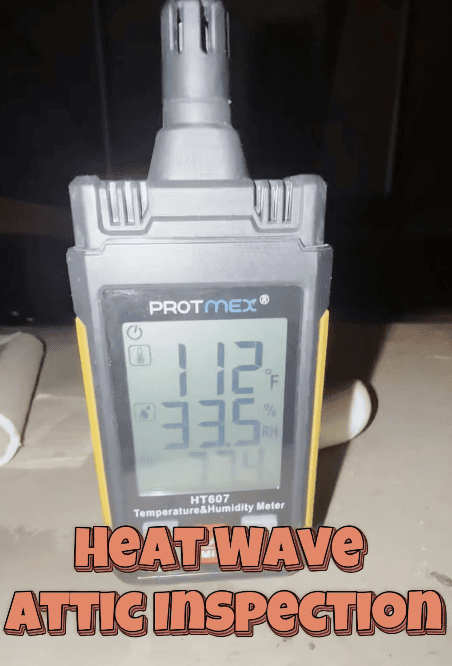
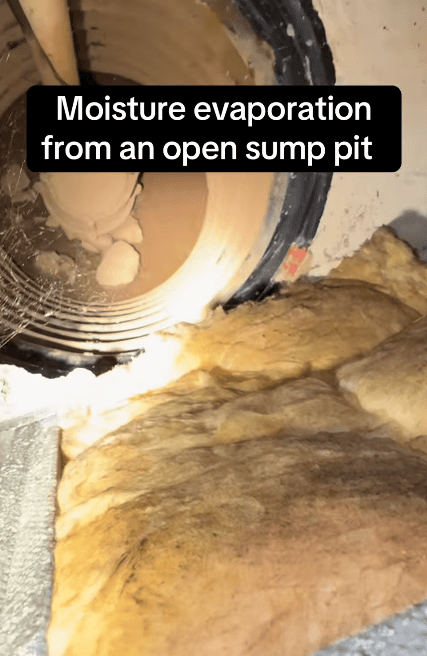
Photos via https://www.instagram.com/john_the_mold_guy/
A Note for Environmentally Sensitive Individuals
I work with many people who are particularly sensitive to their indoor environment.
For those clients, I do not choose an air cleaner based only on the highest CADR or the strongest marketing claim.
I may also consider:
- Whether the unit uses ionization
- PCO – Photo Catalytic Oxidation
- Carbon or gas filtration
- Odors from the machine or filters
- Noise
- Room size
- The individual’s tolerance for the equipment
Some people do well with a simpler unit like the Honeywell. Others prefer the additional gas and odor filtration offered by AirDoctor or IQAir.
There is no single air cleaner that will work equally well for everyone, especially those who are sensitive to their indoor environment. Filtration matters, but so do factors like airflow, noise, odors, and the technology used inside the machine. Ultimately, the best choice is one that effectively cleans the air while remaining comfortable for the person using it.
When an Air Cleaner Is Not Enough
If you’re shopping for an air cleaner because you have recurring mold, unexplained musty odors, previous water damage, suspected hidden mold, or a remediation that did not solve the problem, filtration may not be the main issue anymore.
That is where a proper mold inspection becomes more important.
If you’re trying to understand how to detect mold in the home, the first step is not necessarily buying another air cleaner. I would start by looking for moisture, water damage, musty odors, visible growth, and areas where mold may be hidden.
As a Council-Certified Indoor Environmental Consultant, I look at the building history, moisture conditions, HVAC system, materials, visible findings, and areas where problems may be hidden.
HNST Environmental is independent from remediation companies. My role is to help determine what the evidence supports, not to sell you the cleanup afterward.

A comfortable, well-maintained home starts with a healthy indoor environment, including keeping moisture and humidity under control.
Already Have Mold Testing or a Remediation Plan?
You may not need another test.
If you already have laboratory results, an inspection report, a remediation proposal, or conflicting recommendations, I offer remote consultations nationwide.
I can review what you already have and help you understand what the results mean, whether the recommendations make sense, and what questions may still need to be answered.
Sometimes that is more useful than buying another air cleaner and hoping it solves a problem that has not actually been identified.
The Bottom Line
If you’re searching for the best air cleaner for mold, I would compare:
- Honeywell HPA300 for an affordable, straightforward option.
- AirDoctor 3500 for a stronger overall option with additional carbon and VOC filtration.
- IQAir HealthPro Plus XE for a premium filtration system, especially when environmental sensitivity is a major concern.
Just remember that an air cleaner is supplemental. It can help reduce airborne particles. It cannot fix the moisture source or remove mold growing in the building. If the problem is recurring, hidden, or connected to water damage, investigate the building rather than relying on filtration alone.
If you’re concerned about mold, moisture, or the air quality in your home, visit HNST Environmental to learn more about our indoor environmental services and how we can help.
Schedule Your Inspection
Submit

Ready for real answers?
Let's get you on the schedule.
Tell us a little about your home and what's going on. Someone from our team gets back to you, usually within two business days, to set up your inspection. No pressure. No obligation.
Thank you for the message.

Follow us on Instagram
Call Now
Your request has been received, and a member of our team will contact you as soon as possible to schedule your inspection.
We look forward to assisting you and ensuring you have clear, reliable answers for your property
If you have any urgent questions in the meantime, please don't hesitate to contact us directly.
We look forward to assisting you and ensuring you have clear, reliable answers for your property.


