


October 1, 2026
John Skelly

Key Takeaways About Differences Between Mildew and Black Mold
- You cannot reliably tell whether something is mildew or black mold by color alone.
- The material, moisture history, location, and growth pattern often tell me more than appearance.
- Mold testing can be useful, but the type of sample should match the question you are trying to answer.
If you’re trying to decide whether you’re looking at mildew or black mold, the short answer is that appearance alone usually cannot tell you.
“Mildew” is a term people commonly use for flatter fungal growth on damp surfaces. “Black mold” is also a general term, not the name of one specific mold.
One mold commonly associated with the term is Stachybotrys chartarum. It can appear greenish-black and is associated with cellulose materials that remain wet for extended periods. But seeing dark growth does not mean you have Stachybotrys. (CDC)
What I care about more is where the growth is, what it is growing on, and why that material became wet.
Mildew or Black Mold: What I Actually Look At
When I inspect suspected mold, color is only one clue. The material and moisture history can tell me much more.
If I see dark growth on drywall, paper-faced insulation, or another cellulose-based material that has stayed wet after a leak, I think differently about that than I would about light surface growth around a bathroom window that regularly develops condensation.
Neither situation tells me the species just by looking at it, but they give me very different places to start investigating.
I want to know:
- What material is affected?
- Was there a leak, flood, or repeated condensation?
- How long could the material have stayed wet?
- Does the growth keep returning?
- Is there staining or damage nearby?
- Could the same moisture condition extend behind the visible surface?
- Is the HVAC system moving air through or near the affected area?
This is where building history becomes important. A repaired roof leak above a ceiling, a toilet overflow that affected a subfloor, or years of crawlspace humidity may explain far more than the color of a mold spot.
Can Appearance Tell You Anything?
Yes, just not enough to make a final identification.
Growth pattern, texture, location, and the material involved can help guide an investigation.
For example, if mold is growing only along the cold edge of several windows every winter, condensation deserves attention. If growth is concentrated beneath a plumbing fixture, I want to investigate the plumbing and surrounding materials. If a musty odor is strongest when the HVAC system runs, that gives me another direction to investigate.
This is how I use visual information. Not as a diagnosis, but as evidence.
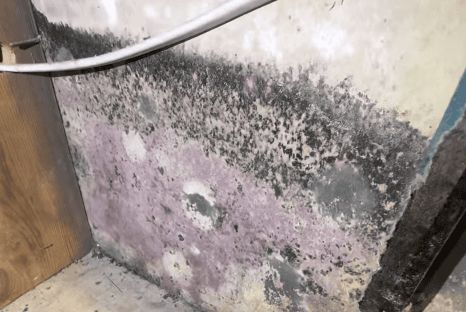
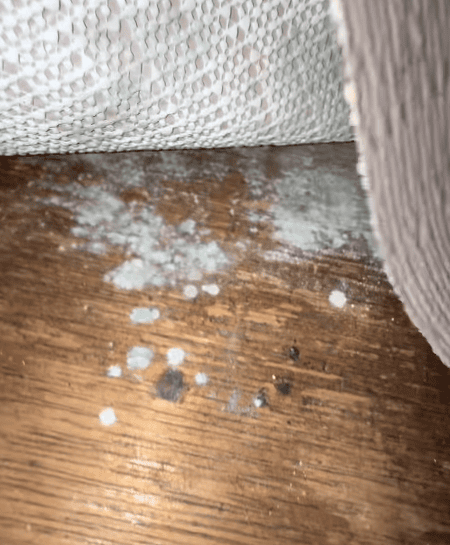
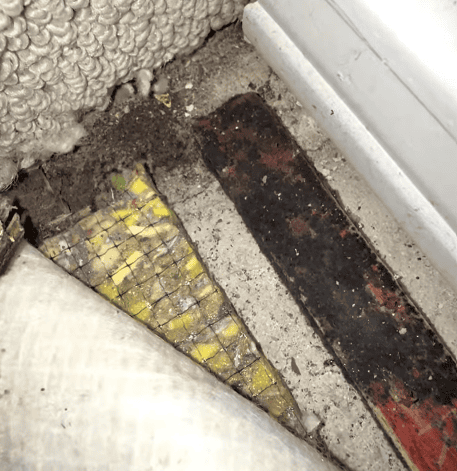
Photos via https://www.instagram.com/john_the_mold_guy/
When Does Mold Testing Make Sense?
I am not against mold testing. I am against testing without knowing what question we are trying to answer.
If identifying visible growth would actually change a remediation, documentation, or investigative decision, I may consider a targeted surface sample.
If I am trying to evaluate a different question involving airborne particles or conditions in another area of the building, that may call for a different sampling strategy. Those are not interchangeable tests.
An air sample is also a snapshot of what was airborne at that location and time. It does not tell me everything that may be happening behind a wall, beneath flooring, or inside another building assembly.
That is why I interpret testing alongside:
- Moisture findings
- Building history
- Visible conditions
- Materials
- HVAC conditions
- Location of the samples
- The reason the samples were collected
EPA also notes that there are no federal health-based standards for acceptable indoor mold concentrations and that sampling is generally unnecessary simply to establish that visible mold exists. (EPA)
A laboratory result can be useful. It just needs context.
What If Mold Keeps Coming Back?
Recurring growth is one of the things I pay the most attention to. If you clean the same area and the mold returns, I don’t immediately start looking for a stronger cleaning product.
I want to know why the surface keeps supporting growth.
For instance, if you’re looking into how to get rid of mold on wood, the first question I would ask is why the wood became wet in the first place. Cleaning the surface may address what you can see, but it will not solve the problem if moisture continues to affect the material.
That might involve:
- Condensation
- Elevated humidity
- A plumbing leak
- Roof or flashing problems
- Moisture inside a wall or floor assembly
- Crawlspace or basement conditions
- HVAC condensation
Repeated mold growth is information about the building. If you correct the actual moisture condition, you have a much better chance of solving the problem than if you repeatedly treat the visible surface.
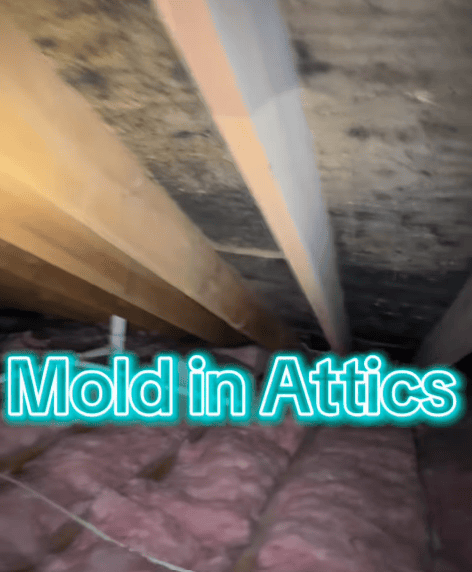
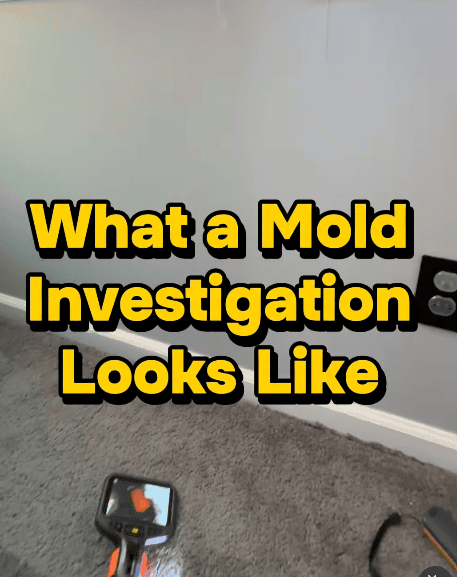
Photos by: HNST via https://www.instagram.com/john_the_mold_guy/
What If You’re Environmentally Sensitive?
I work extensively with people who are particularly sensitive to their indoor environment.
For those clients, I may take a more detailed look at the building than someone who simply wants to know whether one visible spot is mold. My goal is to understand when and where concerns occur, the water-damage history, HVAC conditions, odors, concealed areas, and whether previous testing actually answered the right questions.
I do not assume that every symptom is caused by mold, nor do I dismiss someone’s concerns because a quick air test did not show something obvious.
The goal is to investigate the building carefully enough to understand what the evidence actually supports.
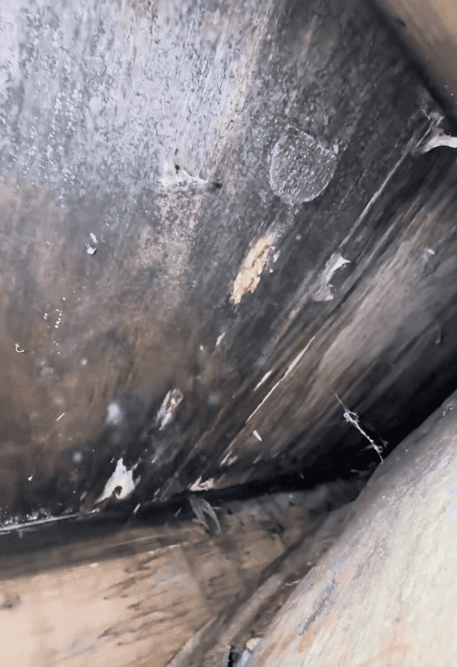
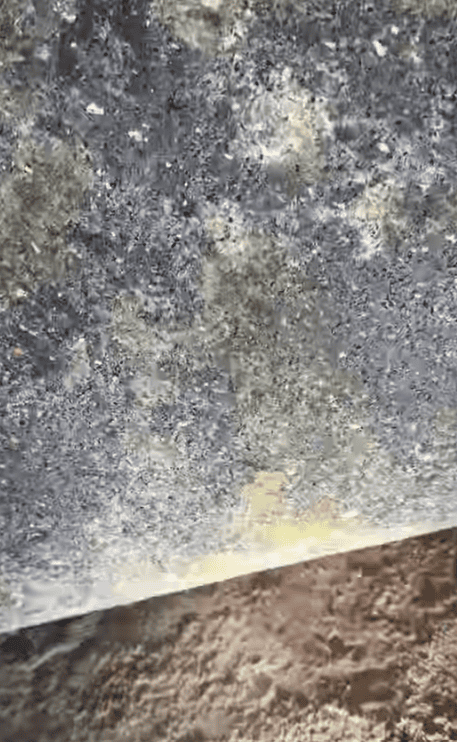
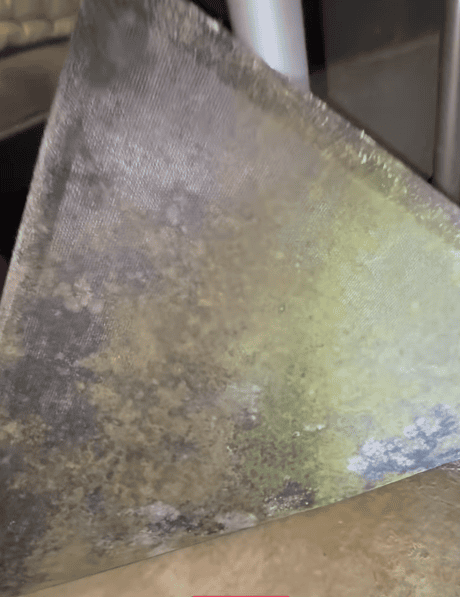
Photos by: HNST via https://www.instagram.com/john_the_mold_guy/
When I Would Recommend an Inspection
I would recommend a mold inspection when:
- Mold keeps returning
- There has been significant water damage
- You smell a persistent musty odor without finding the source
- Growth appears near drywall, flooring, insulation, or other materials that may conceal moisture
- You suspect the problem extends beyond what you can see
- The HVAC system may be involved
- Previous testing or contractors have given you conflicting answers
At that point, whether someone calls the visible growth mildew or black mold becomes less important than understanding the actual condition of the property.
As a Council-Certified Indoor Environmental Consultant, that is how I approach these investigations. I look at mold in the context of moisture, HVAC, building materials, and building science rather than treating a laboratory result as the entire investigation.
HNST Environmental is also independent from remediation companies. My job is to determine what the evidence supports, not to sell you the cleanup afterward.
Already Have Mold Testing or a Remediation Report?
You may not need another inspection or another round of samples.
If you already have laboratory results, an inspection report, photographs, contractor estimates, or a remediation plan and aren’t sure what they mean, I offer remote consultations nationwide.
I can review what you already have and help you determine whether the recommendations make sense, what questions may still be unanswered, and what your next step should be.
The Bottom Line
If you’re wondering whether you have mildew or black mold, don’t make the decision based on color.
Look at the material, location, moisture history, recurring patterns, and what else is happening in the building. Testing can help when it answers a specific question. It should not replace a good investigation.
The goal is not just to put a name on the mold. It’s to understand why it is there and what actually needs to be done about it.
If you’re concerned about mold in your home and want an independent evaluation of what’s actually happening, visit HNST Environmental to learn more about HNST Services, including our mold and indoor environmental inspection services.
Schedule Your Inspection
Submit

Ready for real answers?
Let's get you on the schedule.
Tell us a little about your home and what's going on. Someone from our team gets back to you, usually within two business days, to set up your inspection. No pressure. No obligation.
Thank you for the message.

Follow us on Instagram
Call Now
Your request has been received, and a member of our team will contact you as soon as possible to schedule your inspection.
We look forward to assisting you and ensuring you have clear, reliable answers for your property
If you have any urgent questions in the meantime, please don't hesitate to contact us directly.
We look forward to assisting you and ensuring you have clear, reliable answers for your property.


