


October 1, 2026
John Skelly

Key Takeaways About Mold Inspections
- A mold inspection before buying a house can uncover moisture problems, previous water damage, and hidden conditions that may not be fully evaluated during a standard home inspection.
- Pay particular attention to finished basements, crawlspaces, attics, recent renovations, musty odors, and areas with a history of leaks.
- Finding mold does not automatically mean you should walk away. What matters is why it developed, how extensive it is, and what it will take to correct.
If you’re considering a mold inspection before buying a house in the Hudson Valley, the goal is to understand what you may be taking ownership of before you close.
Having a dedicated mold inspection is smart but not always necessary. However it’s 100% required if the home has water damage, musty odors, visible growth, basement moisture, previous remediation, or repairs that raise questions, I would want a closer look.
Why Use a Mold Inspector Instead of Just a Home Inspector?
A good home inspector can identify red flags such as staining, leaks, damp materials, or suspected mold. However, a general home inspection and a dedicated mold assessment are not the same thing.
When I’m brought in specifically for mold or moisture concerns, I’m looking more closely at the water history, affected materials, moisture patterns, HVAC conditions, previous remediation, and areas where evidence suggests there could be a concealed problem.
I may also use moisture meters, thermal imaging, borescopes, or targeted sampling when those tools can answer a specific question.
Additionally, there is a New York licensing distinction. If a home inspector goes beyond identifying a concern and actually performs mold assessment work as part of the inspection, New York requires the appropriate Mold Assessor license.
An example would be if your home inspector says, “I see evidence of moisture here and I think you should have it evaluated,” that’s often the point where a dedicated mold assessor makes sense.
If you’re looking for a mold inspection in Westchester, NY, the same distinction applies: a general home inspection can identify concerns, while a dedicated mold assessment can investigate the moisture history and conditions behind them.
While the home inspector found the red flag, my job is to figure out what it actually means before you buy the house.
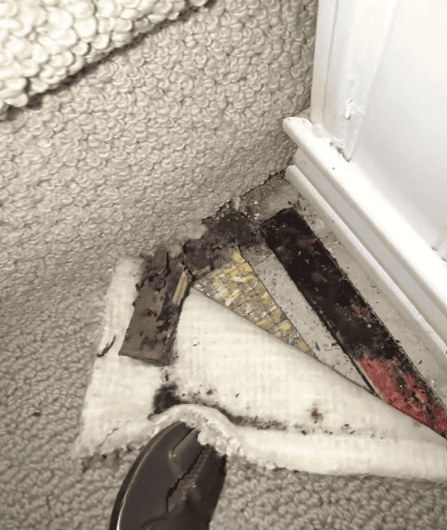
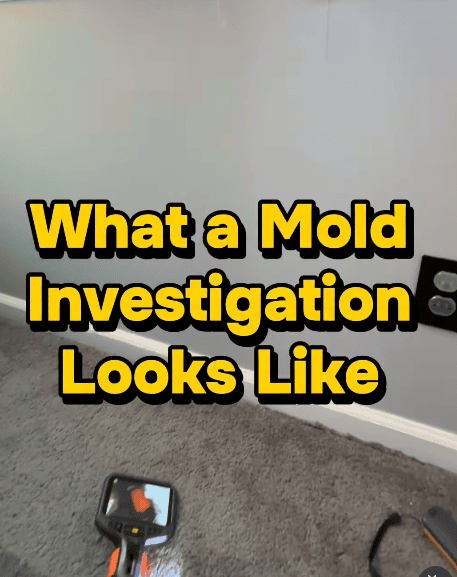
What a mold investigation can look like: A closer look beneath carpet can reveal conditions that aren’t visible during a standard visual inspection, while tools such as thermal imaging can help investigators identify areas that may warrant further evaluation.
Red Flags I Pay Attention to Before a Purchase
Finished Basements
A basement can look great on inspection day and still have a history of water intrusion.
If there is new drywall, flooring, or paint and the basement has previously flooded or had foundation moisture, I want to know what happened before the renovation.
Were wet materials removed? Was the area dried properly? Was the source of the water actually corrected?
A dry basement today does not tell me how it behaves during heavy rain or snowmelt.
Recent Repairs After a Leak
If a roof leak reached an attic or ceiling, I want to understand how far the water traveled and which materials it affected, including sheathing, insulation, framing, drywall, or other nearby materials. I also want to know whether anyone properly dried, repaired, or otherwise addressed those materials after the leak.
Stopping the water is an important first step, but it only tells me that the leak has stopped. I still need to understand what happened to the building materials and whether any moisture-related problems remain.
Musty Odors
A persistent musty odor deserves attention, especially when the house otherwise looks clean. In my experience, the location and timing of the odor can provide useful clues about where to investigate.
Depending on where and when the odor is strongest, I may look at basements, crawlspaces, plumbing areas, concealed cavities, or HVAC components. The goal is to determine whether there is an underlying moisture or building condition contributing to the odor.
A musty odor does not prove that hidden mold is present, but it does give me a reason to look further. I want to understand where the odor originates and whether an underlying moisture problem is contributing to it.
How I Investigate Areas You Can’t Easily See
I don’t start opening walls randomly. If you’re wondering how to detect mold in the home, the process should go beyond looking for visible growth and may involve moisture measurements, thermal imaging, or targeted investigation of concealed areas. When the evidence suggests I should look into it further, I use:
- Moisture meters to compare potentially wet materials with surrounding areas.
- Thermal imaging to identify temperature patterns that may point toward moisture or other building conditions. A thermal camera does not see mold through walls.
- Borescopes to look into certain concealed cavities through a small access point rather than opening a large section of wall.
These tools help me follow evidence while minimizing unnecessary damage to a property you do not own yet.
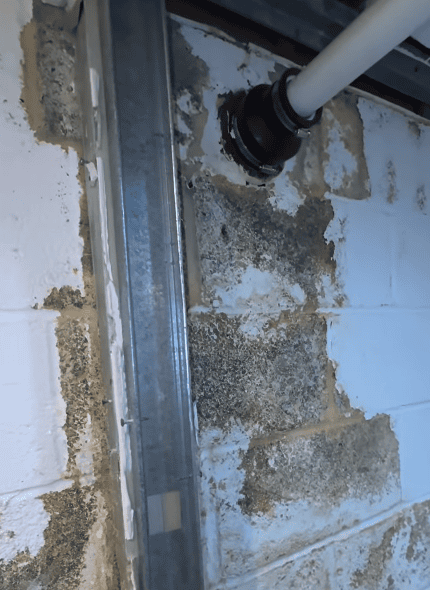
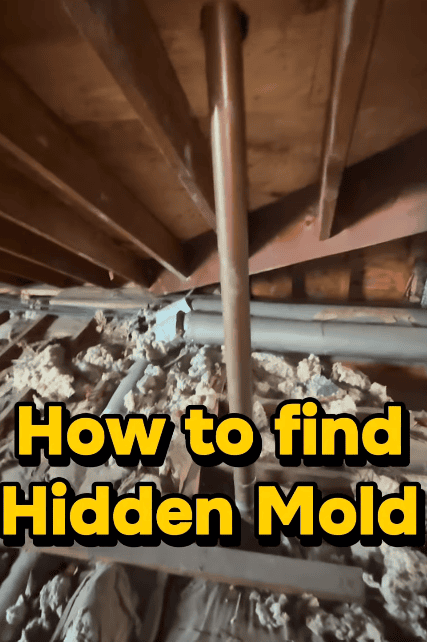
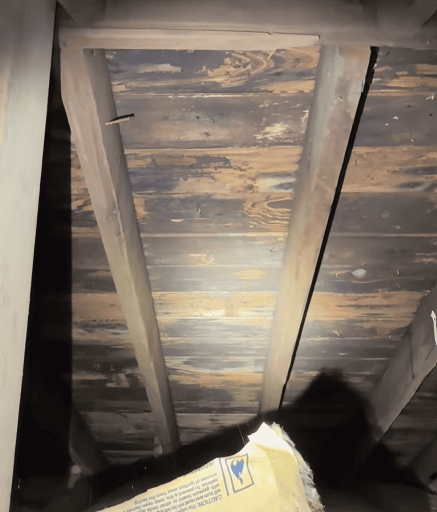
Hidden mold can occur in areas that are easy to overlook, including basements, crawlspaces, and attics.
If the Seller Says Mold Was Already Remediated
Ask for documentation.
Useful records may include:
- The original mold assessment
- Remediation scope or protocol
- Contractor invoices
- Before and after photographs
- Laboratory results, if testing was performed
- Post-remediation documentation
- Proof that the underlying leak or moisture problem was repaired
A receipt saying “mold treatment” tells me very little.
I want to know what was affected, what work was actually completed, and whether the underlying cause of the problem was properly corrected. The original draft correctly identified this as an important due-diligence issue for buyers.
Should You Air Test a House Before Buying It?
Not automatically.
An air sample tells you something about what was airborne in a particular place at a particular time. It does not tell you everything that may be happening behind a basement wall, underneath flooring, or inside an attic assembly.
If I recommend sampling, I want it to answer a question that matters to your buying decision. I don’t like using one air sample as a simple pass or fail for an entire house.
What If Mold Is Found Before Closing?
Don’t automatically panic or walk away.
I want to know:
- Where is it?
- Why did it develop?
- How far does it appear to extend?
- What materials are affected?
- Has the moisture source been corrected?
- What will remediation and repairs actually involve?
A small area connected to one repaired plumbing leak can be very different from widespread attic or crawlspace growth caused by an ongoing building problem.
“Mold found” is not enough information to make a good buying decision. You should also consider the potential cost of remediation and related repairs when deciding whether the property still makes financial sense.
What If You’re Environmentally Sensitive?
I regularly work with clients who have heightened concerns about their indoor environment. If that is one of the reasons you’re taking extra care when evaluating a home, let me know before the inspection.
I may pay additional attention to previous water events, HVAC conditions, hidden areas, odors, past remediation, and materials or coatings used during repairs.
Although I don’t assume every symptom is caused by mold, I do believe an environmentally sensitive buyer deserves a careful look at the building before making a major purchase.
The Bottom Line
A New York mold inspection checklist can help you make sure you have considered the property’s moisture history, current moisture conditions, previous water damage, concealed areas, and remediation records before closing.
A mold inspection before buying a house in the Hudson Valley should help you understand the property’s water history, current moisture conditions, previous remediation, and any mold problem that could become yours after closing.
Finding mold does not automatically make a house a bad purchase. Instead, it indicates an unresolved moisture or building problem that deserves closer attention.
HNST Environmental provides independent mold assessment and does not perform remediation. If your home inspector identifies a mold or moisture concern, I can take a deeper look and help you understand what you’re actually buying before you close.
Before you commit to a property, make sure you understand what you’re stepping into. Visit HNST Environmental to learn how an independent mold assessment can help you make a more informed decision about a home in the Hudson Valley.

Tell us a little about your home and what's going on. Someone from our team gets back to you, usually within two business days, to set up your inspection. No pressure. No obligation.

Ready for real answers?
Let's get you on the schedule.
Schedule Inspection
Thank you for the message.

Follow us on Instagram
Call Now
Your request has been received, and a member of our team will contact you as soon as possible to schedule your inspection.
We look forward to assisting you and ensuring you have clear, reliable answers for your property
If you have any urgent questions in the meantime, please don't hesitate to contact us directly.
We look forward to assisting you and ensuring you have clear, reliable answers for your property.


