


October 1, 2026
John Skelly

Key Takeaways About Mold Inspections in Westchester, NY
- If you’re hiring for a mold inspection in Westchester, NY, verify that the company and assessor hold the appropriate New York mold assessment licenses.
- A good inspection should investigate moisture, water history, hidden areas, HVAC conditions, and the building itself, not just collect air samples.
- In New York, assessment and remediation are intentionally separated, so the person defining the problem should not also be selling you the cleanup.
If you’re searching for mold inspection Westchester NY, I would look beyond companies advertising a few air samples and a laboratory report.
A mold inspection should help answer three things:
- What is happening?
- Why is it happening?
- What needs to happen next?
I’ve worked in mold remediation, water damage restoration, indoor air quality, and environmental assessment since 2003. As a Council-Certified Indoor Environmental Consultant, I approach mold as a building problem involving moisture, materials, HVAC, and building science, not simply a testing problem. ACAC describes the CIEC discipline in much the same way, including mold, moisture, HVAC, and building science.
What I Look for During a Mold Inspection
I start with the history of the property. If there was a roof leak three years ago, a finished basement flooded, or an upstairs bathroom leaked into the ceiling below, I want to know that before I start taking measurements.
From there, I follow the evidence. Depending on the home and the concern, I may evaluate:
- Visible mold and water damage
- Plumbing and roof-related moisture
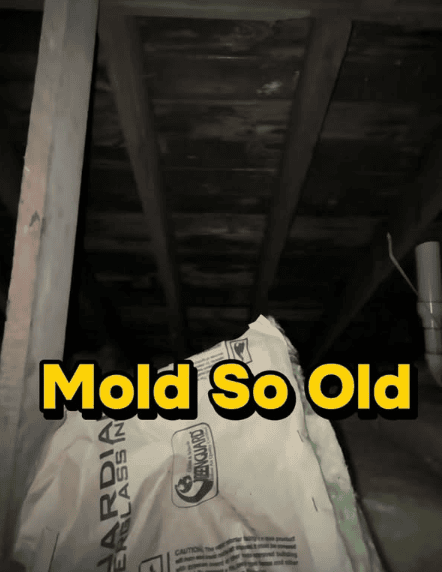
- Basements, crawlspaces, and attics
- Condensation and indoor humidity
- Areas around windows and exterior walls
- HVAC equipment, condensate systems, and accessible ductwork
- Building materials that may conceal moisture
- Previous repairs or remediation
This is also the basic thinking behind a New York mold inspection checklist. The goal is not simply to check boxes or collect samples. A meaningful inspection should consider the property’s moisture history, building conditions, potentially hidden areas, HVAC system, and any visible or suspected mold.
EPA’s own investigation guidance recommends looking at water history, musty odors, crawlspaces, moisture conditions, and air-handling systems rather than relying on sampling alone.
Moisture Meters
I use moisture meters to help identify areas that deserve a closer look. However, a moisture meter does not detect mold.
The reading has to make sense for the material and location. I may compare a suspicious section of drywall or wood with nearby areas that should be dry rather than treating one number as a pass or fail.
Thermal Imaging
Thermal imaging is another useful tool, but a thermal camera does not see mold through a wall.
It shows temperature differences.
An unusual pattern may point toward moisture, air leakage, insulation differences, or another building condition that I then investigate further.
Borescopes
When the evidence points toward a concealed cavity, a borescope can sometimes let me see behind drywall or inside another assembly through a relatively small opening.
EPA specifically identifies borescopes and moisture meters as tools investigators may use when looking for hidden mold.
The point of these tools isn’t to make an inspection look high-tech. It’s to answer specific questions without unnecessarily opening up a house.
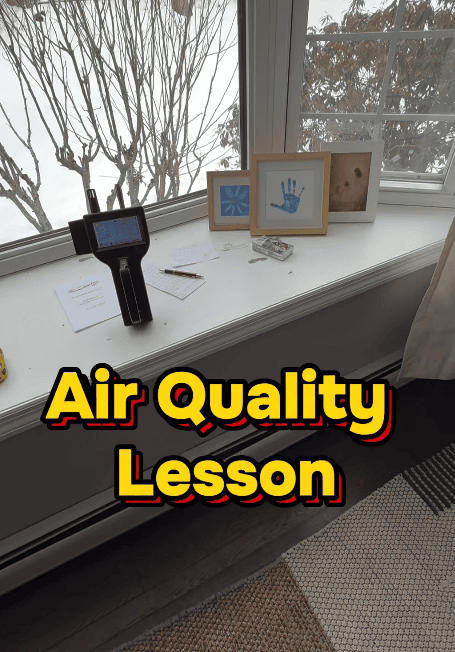
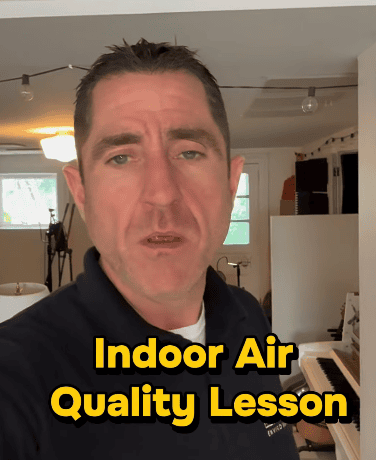
Photos via https://www.instagram.com/john_the_mold_guy/
Does a Mold Inspection Need Air Testing?
Not always; I use mold testing as needed.
If visible mold is already present, I generally do not need an air sample simply to prove mold exists. EPA says visible mold usually does not require sampling and recommends sampling when the result could actually change the investigation or next step.
New York’s guidance is similarly practical. The state’s mold assessor fact sheet describes visual inspection and moisture investigation as core parts of assessment and says sampling may be used in limited circumstances. It also expects the assessor to identify the underlying moisture source when possible.
When I do recommend testing, I want to know: What question is this sample answering?
A targeted surface sample, an air sample, and post-remediation sampling are different tools used for different reasons. Additionally, a stack of laboratory results does not automatically mean you received a thorough inspection.
Indoor air quality also gets people looking for solutions before the underlying building issue is understood. You may see searches for the best air cleaner for mold, but an air cleaner should not be treated as a substitute for finding and addressing a moisture problem or investigating suspected mold.
One New York Rule You Should Know
New York regulates mold assessment.
A company cannot simply advertise and perform covered mold assessment work without the appropriate state license. New York also prohibits the same individual from performing both the assessment and remediation on the same property and requires an independent assessment to define the remediation scope.
There is another detail that matters in Westchester’s real estate market.
If a home inspector conducting a real estate inspection is also assessing mold conditions in the home or including a mold assessment in the report, New York says that person must also be licensed as a Mold Assessor.
So when you’re comparing inspectors, I would verify the actual New York Mold Assessor license, not just look for the word “certified” on a website.
What Should You Get From a Good Inspection?
You should leave with more than a list of mold genera from a laboratory.
I want my clients to understand:
- What I actually observed
- Where moisture or water damage was found
- What I believe may be causing it
- What areas could not be fully evaluated
- Whether additional investigation or testing makes sense
- What should be cleaned, removed, repaired, or monitored
- What should happen next
If remediation is necessary on a regulated New York project, the assessor’s remediation plan can define the affected areas, what materials should be cleaned or removed, the remediation methods, containment when needed, clearance criteria, and the underlying moisture source when it can be identified.
That scope matters because it is what remediation contractors use to price and perform the work.
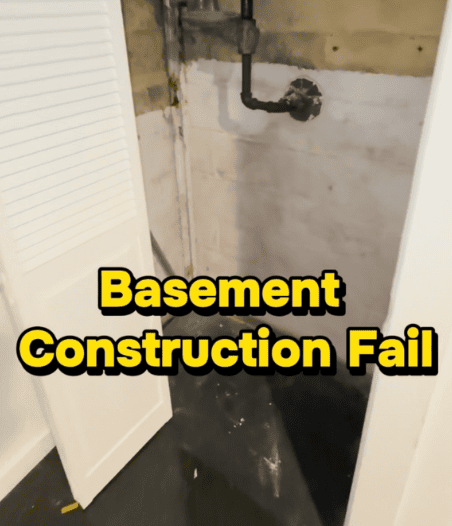
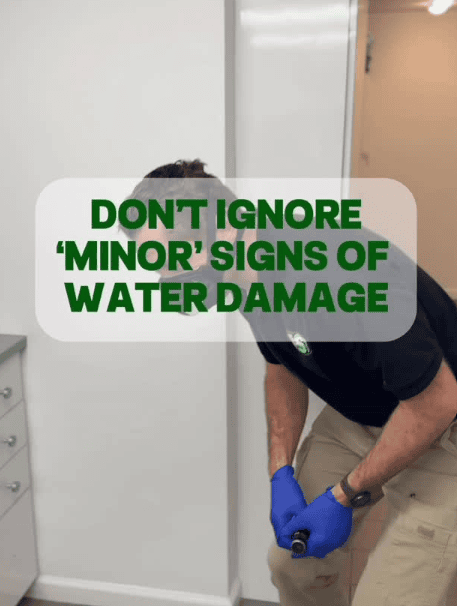
Photos via https://www.instagram.com/john_the_mold_guy/
Why Independence Matters
HNST Environmental does not perform mold remediation, which is intentional.
New York law already recognizes the potential conflict in allowing the person defining the remediation scope to also sell the remediation. Therefore, my job is to investigate the property and tell you what I think the evidence supports.
Sometimes that means recommending remediation. Sometimes it means telling a homeowner that the situation is more limited than they were led to believe.
What If You’re Environmentally Sensitive?
I also work extensively with people who are particularly sensitive to their indoor environment. HNST specifically provides mold and indoor environmental investigations for mold-sensitive clients.
For those inspections, I may pay additional attention to previous water events, hidden areas, HVAC conditions, odors, building materials, previous remediation, and the products proposed for cleanup.
New York’s own guidance specifically says assessors and remediation contractors should consider occupant sensitivities when disinfectants, biocides, or antimicrobial coatings are being proposed.
I don’t assume every symptom is caused by mold, however, I do believe those concerns deserve a careful building investigation rather than a cookie-cutter inspection.
Choosing a Mold Inspector in Westchester NY
If you’re comparing companies for mold inspection Westchester NY, I would ask four questions:
- Are you a licensed New York Mold Assessor?
- How do you investigate moisture and potentially hidden conditions?
- Why would you recommend mold testing in my situation?
- Do you also make money from the remediation you recommend?
I’ve been working in this field for more than two decades, and my approach at HNST Environmental is to investigate the building first, use testing when it provides useful information, and give the homeowner a clear understanding of what actually needs to happen.
This approach can be especially important when you’re considering a mold inspection before buying a house in the Hudson Valley, Westchester County, or anywhere in NY. A property may have a history of leaks, a finished basement, previous remediation, musty odors, or other conditions that deserve closer attention before you make a purchase decision.
HNST serves clients throughout New York, including Westchester County, and provides both focused and comprehensive mold investigations.
If you’re dealing with mold, moisture, a musty odor, previous water damage, or conflicting recommendations in a Westchester property, HNST Environmental can help you understand what is actually happening and what needs to happen next. Whether you need an onsite mold inspection in Westchester or a second opinion on existing reports and recommendations, I can help you evaluate the building and make informed decisions.

Tell us a little about your home and what's going on. Someone from our team gets back to you, usually within two business days, to set up your inspection. No pressure. No obligation.

Ready for real answers?
Let's get you on the schedule.
Schedule Inspection
Thank you for the message.

Follow us on Instagram
Call Now
Your request has been received, and a member of our team will contact you as soon as possible to schedule your inspection.
We look forward to assisting you and ensuring you have clear, reliable answers for your property
If you have any urgent questions in the meantime, please don't hesitate to contact us directly.
We look forward to assisting you and ensuring you have clear, reliable answers for your property.


