


October 1, 2026
John Skelly
Key Takeaways About Must Smells in Homes
- A persistent musty smell does not prove you have mold, but it is a good reason to look for moisture or a hidden source.
- Pay attention to when the smell gets stronger. Rain, humidity, HVAC operation, and seasonal changes can provide useful clues.
- The source may not be in the room where you smell it most strongly.
If you have a musty smell in your house but no visible mold in NJ, don’t start opening walls or randomly testing rooms. Start by figuring out the pattern.
I’ve worked in mold, water damage, HVAC, and indoor environmental investigations since 2003. When someone tells me their house smells musty, one of my first questions is:
When do you notice it most?
Use the Smell as a Clue
Pay attention to whether the odor:
- Gets worse after rain
- Increases during humid weather
- Starts when the heating or air conditioning runs
- Is stronger after the house has been closed up
- Is concentrated near a basement, crawlspace, attic, bathroom, or exterior wall
- Started after a leak, flood, or renovation
Those details can change where I investigate first. If the smell appears after heavy rain, I’m thinking about water intrusion and drainage differently than I would if it only appears when the HVAC runs.
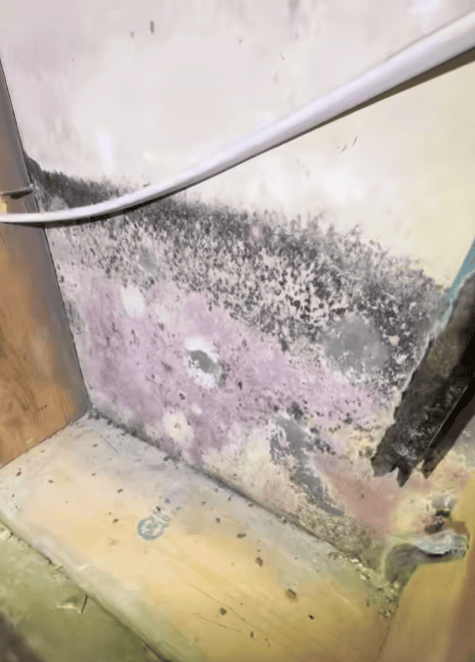
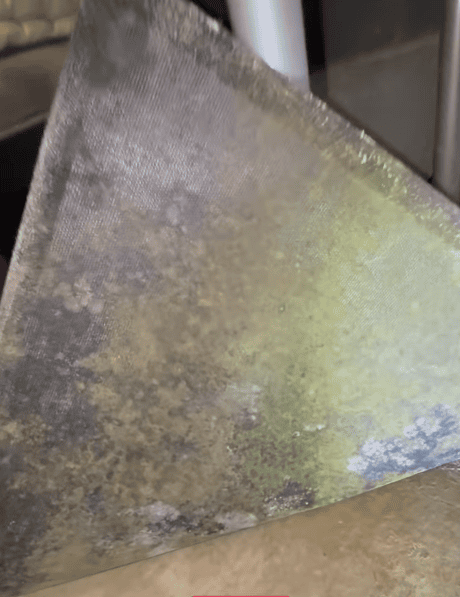
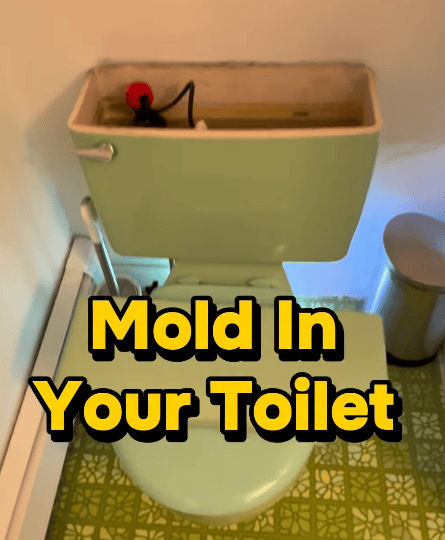
Photos via https://www.instagram.com/john_the_mold_guy/
The Source May Be Somewhere Else
This is one of the most useful things to understand about a musty odor.
Air moves through houses.
An odor originating in a basement, crawlspace, wall cavity, or HVAC system can sometimes be noticeable somewhere else in the home. The original research for this article correctly identified that the room where the odor is strongest is not necessarily where the problem began.
That’s why simply walking into the smelly room and looking for black spots isn’t much of an investigation.
I want to understand where the air is coming from and where moisture may have been.
Three Areas I Would Think About First
1. Basement or Crawlspace
Previous flooding, foundation moisture, damp insulation, condensation, or drainage problems can create odors that move into the living space.
A basement looking dry today does not tell me what happens during heavy rain or humid weather.
2. HVAC
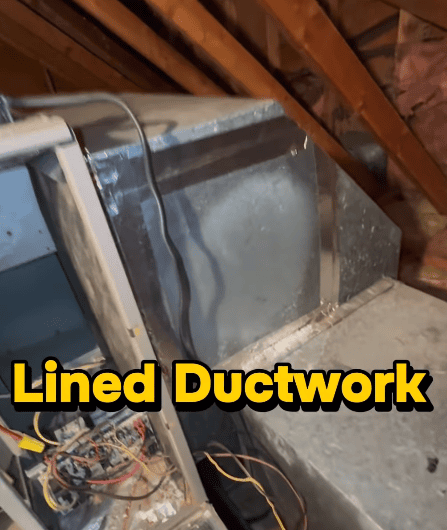
If the odor becomes noticeably stronger when the system runs, I want to look at accessible areas around the air handler, condensate pan and drain, nearby materials, and ductwork when appropriate.
That does not automatically mean there is mold in the ducts.
It tells me the HVAC system needs to be part of the investigation.
3. Previous Water Damage
Don’t forget about old leaks.
A roof or plumbing repair may have stopped the water, but drywall, insulation, flooring, framing, or other materials may have been affected before the repair was made.
Sometimes the history of the house explains the smell better than what you can see today.
If you’re considering a mold inspection before buying a house in NJ, a persistent musty odor is one reason to investigate further before closing. Previous leaks, basement moisture, crawlspace conditions, or other water-related issues may not be obvious during a quick walkthrough.
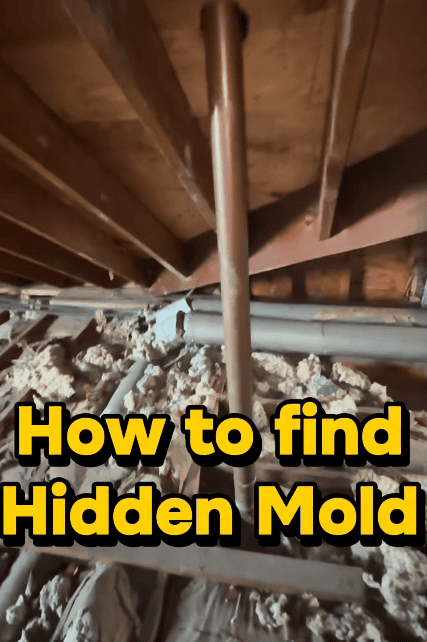
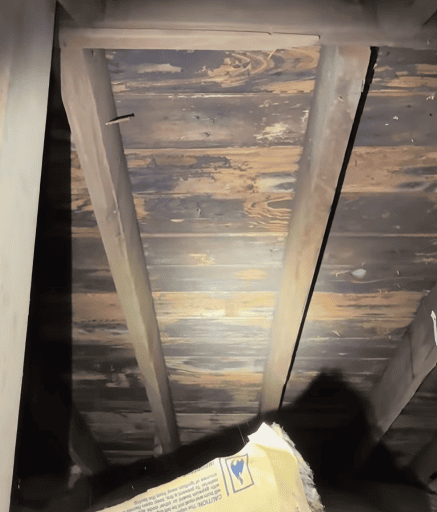
Photos via https://www.instagram.com/john_the_mold_guy/
Should You Test the Air for Mold?
Sometimes. I use air, surface, and other sampling when it can provide useful information.
Air testing can help identify possible cross-contamination, support something I’m already seeing during the inspection, or provide another clue when hidden mold is suspected. That’s consistent with how I describe mold testing at HNST.
But an air sample is only a brief snapshot of what was airborne where and when the sample was collected. It doesn’t locate the source of the odor by itself.
That’s why I combine testing with the building history, moisture investigation, HVAC conditions, and what I physically observe.
When I Would Investigate Further
If the odor keeps returning and you can’t identify the source, that’s when a professional investigation becomes useful. If you’re wondering how to detect mold in the home, the process should start with the building itself, including moisture conditions, air movement, previous water damage, and areas where mold could be hidden.
If the odor keeps returning and you can’t identify the source, that’s when a professional investigation becomes useful. If you’re researching mold inspection costs in NJ, keep in mind that the price can vary depending on the size of the property, the complexity of the investigation, and what the inspection needs to cover.
I may use moisture meters, thermal imaging, a borescope, sampling, or other tools depending on what the building is telling me.
The goal isn’t to prove that your house has mold; it’s to figure out what is causing the smell and what actually needs to be done about it.
That approach fits HNST’s stated philosophy of looking at the building as a whole, including how air flows and water moves, rather than relying on surface-level testing.
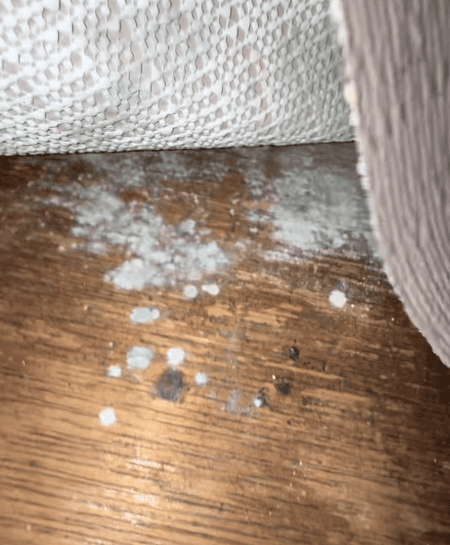
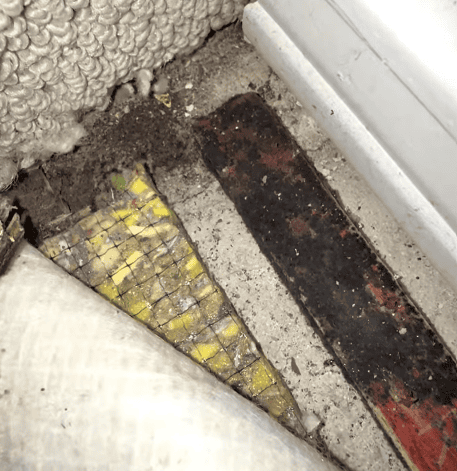
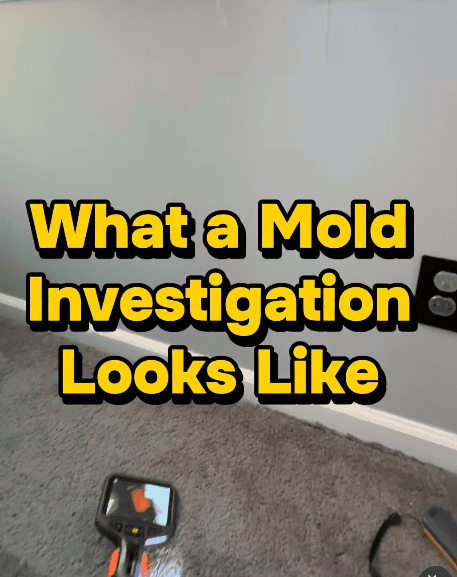
Photos via https://www.instagram.com/john_the_mold_guy/
The Bottom Line
If you have a musty smell in your house but no visible mold in NJ, pay attention to the pattern before you start spending money trying to fix it.
When does it happen? What makes it worse? Where has the house had moisture before? Does the HVAC affect it?
Those clues can help narrow down the source considerably.
If the smell persists and you can’t figure out where it’s coming from, HNST Environmental provides independent mold and indoor environmental inspections throughout New Jersey.
If you’re dealing with a persistent musty smell and can’t identify the source, visit HNST Environmental to learn more about our independent mold and indoor environmental inspections and how we can help you understand what’s happening in your home.
Schedule Your Inspection
Submit

Ready for real answers?
Let's get you on the schedule.
Tell us a little about your home and what's going on. Someone from our team gets back to you, usually within two business days, to set up your inspection. No pressure. No obligation.
Thank you for the message.

Follow us on Instagram
Call Now
Your request has been received, and a member of our team will contact you as soon as possible to schedule your inspection.
We look forward to assisting you and ensuring you have clear, reliable answers for your property
If you have any urgent questions in the meantime, please don't hesitate to contact us directly.
We look forward to assisting you and ensuring you have clear, reliable answers for your property.


