


October 1, 2026
John Skelly
Key Takeaways About Getting Rid of Mold on Wood
- Sound wood can often be remediated, while rotten or structurally damaged wood may need to be replaced.
- If you’re disturbing moldy wood, I recommend a properly fitted respirator with P100 particulate filters, gloves, and eye protection.
- After the wood is clean and completely dry, Foster 40-51, Foster 40-50, or Caliwel Industrial are three encapsulants I would consider depending on the project.
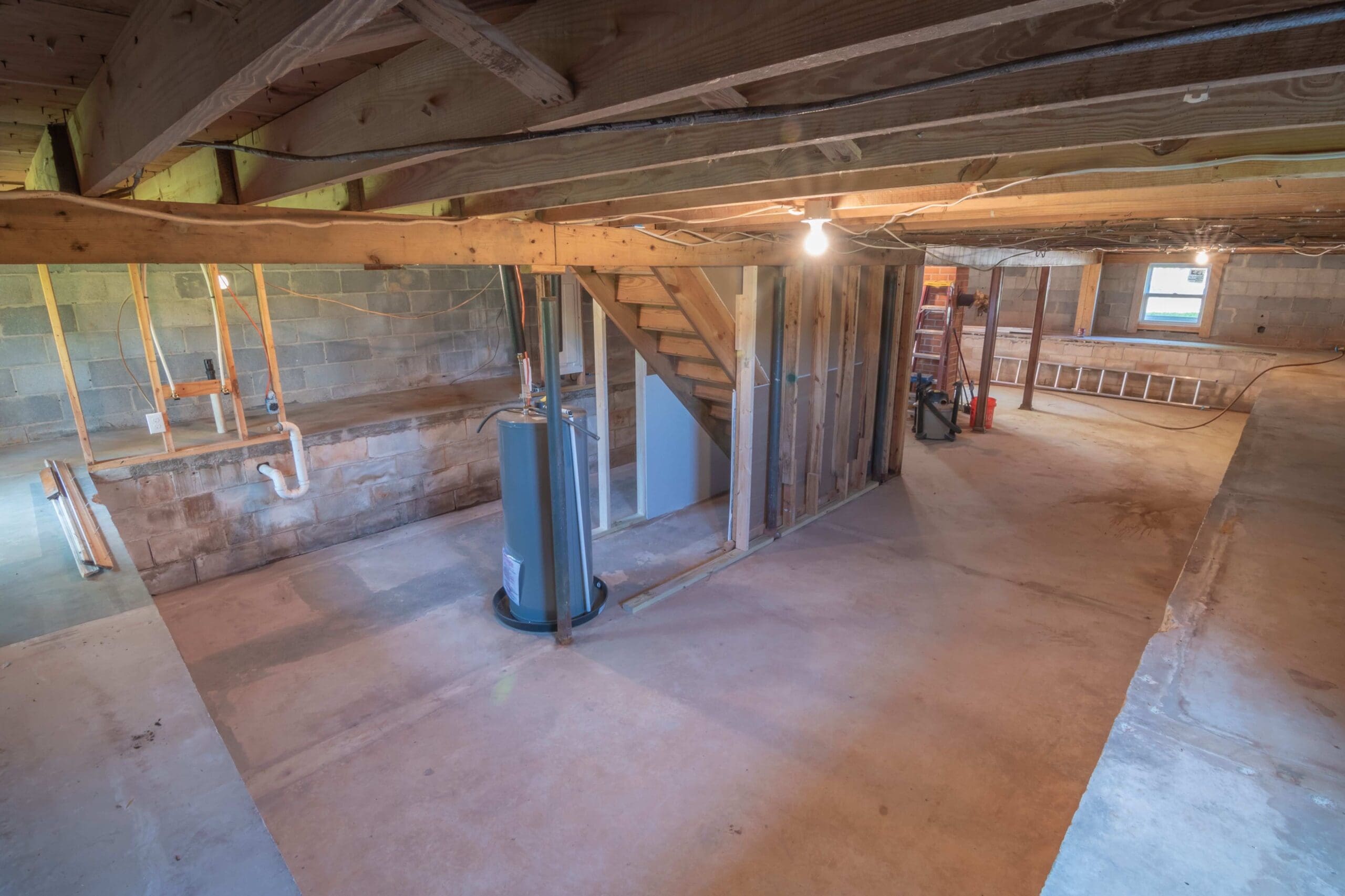
If you’re trying to figure out how to get rid of mold on wood, the first question is whether the wood can actually be saved.
Solid framing, joists, sheathing, and subfloors can often be remediated. If the wood is soft, rotten, crumbling, or structurally compromised, cleaning the surface will not repair the damage.
If the wood is sound, here’s how I approach it.
1. Wear the Right PPE
Scrubbing, HEPA vacuuming, sanding, or otherwise disturbing moldy wood can put particles into the air.
I recommend a properly fitted NIOSH-approved half-face or full-face respirator with P100 particulate filters. I would also use:
- Gloves
- Eye protection
- Clothing that keeps contaminated dust off your skin and regular clothes
P100 filters protect against particles. They do not protect against chemical gases or vapors.
If you’re using cleaners, coatings, or other chemicals, check the product label and Safety Data Sheet to determine whether additional respiratory protection is needed.
2. Find Out Why the Wood Got Wet
Before doing extensive cleanup, identify the moisture source.
Common causes include:
- Plumbing or roof leaks
- Crawlspace or basement humidity
- Condensation
- Foundation or drainage problems
- HVAC condensation
- Previous water damage
If the moisture condition is still present, the mold can return even after a good cleanup.
If you’re trying to understand how to detect mold in the home, moisture is one of the first things I would investigate. Look for current or previous water intrusion, condensation, elevated humidity, musty odors, and areas where building materials may have stayed wet.
3. Remove the Mold From the Wood
The goal is to physically remove the contamination, not simply spray something on it and kill it.
For a limited amount of mold on accessible, sound wood, remediation may involve physical cleaning and HEPA vacuuming.
For unfinished framing or other structural wood, more aggressive methods may sometimes be appropriate.
Should You Sand Moldy Wood?
Yes, in the right situation. Sanding can remove residual contamination and staining from sound unfinished wood.
The downside is that it creates a lot of fine dust. If moldy framing is being power-sanded, I want appropriate respiratory protection, dust collection, containment when needed, and HEPA cleanup afterward.
A few accessible joists may be practical to sand. However, an entire attic or crawlspace may call for a different approach.
4. When Does Dry Ice Blasting Make Sense?
For large areas of exposed framing, dry ice blasting can be a very useful professional remediation method.
Dry ice pellets are propelled against the wood to remove material from the surface. The dry ice then turns into carbon dioxide gas rather than leaving sand or another blasting medium behind.
I would consider it for:
- Attic framing and sheathing
- Crawlspace joists
- Large areas of exposed framing
- Complicated wood surfaces that would be extremely time-consuming to clean manually
It also avoids intentionally adding water to the wood, but dry ice blasting is not a casual DIY project.
The mold and debris removed from the wood still need to be controlled and cleaned up. The process also produces carbon dioxide, so ventilation and CO2 exposure need to be taken seriously.
For larger remediation projects, though, it can be a much more efficient option than sanding every surface by hand.
5. Should You Encapsulate Wood After Mold Removal?
Sometimes.
I consider encapsulation after the wood has been properly remediated, completely dried, and the moisture source has been corrected.
I do not recommend coating over active contamination. Here are three products I would consider for different situations.
- Foster 40-51: Clear Finish
- Foster Sheer Defence 40-51 is a clear mold-resistant sealer that can be applied to bare wood.
- I would consider it when the framing has been properly remediated and you want to retain the natural appearance of the wood rather than cover it with a white coating.
- Foster 40-50: White Remediation Coating
- Foster Interior Defense 40-50 is a white mold-resistant coating commonly suited to exposed structural materials such as framing, joists, plywood, OSB, attic areas, and crawlspaces.
- I would consider it when appearance is not important and a durable white coating makes sense for the project.
- Caliwel Industrial: Environmentally Sensitive Clients
- For someone who is particularly sensitive to odors or conventional coatings, Caliwel Industrial is an option I would evaluate.
- It is a water-based, zero-VOC coating that uses calcium hydroxide technology and is intended for building surfaces such as framing, joists, attics, crawlspaces, and basements.
- I still would not assume every environmentally sensitive person will tolerate it.
- If sensitivity is a major concern, I recommend reviewing the product carefully and testing individual tolerance before coating a large area.
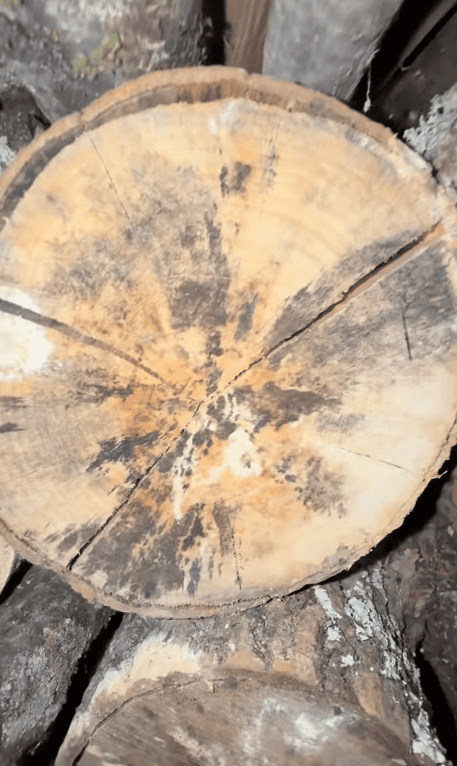
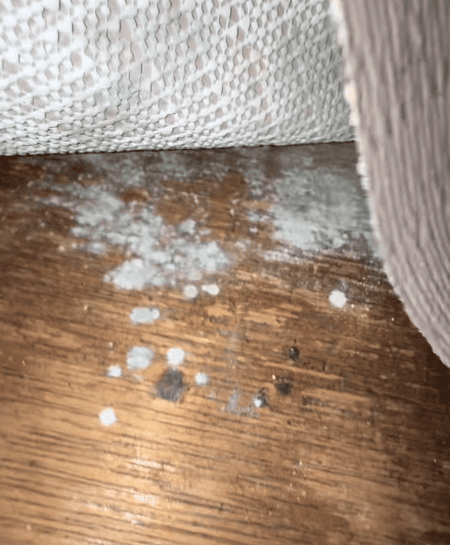
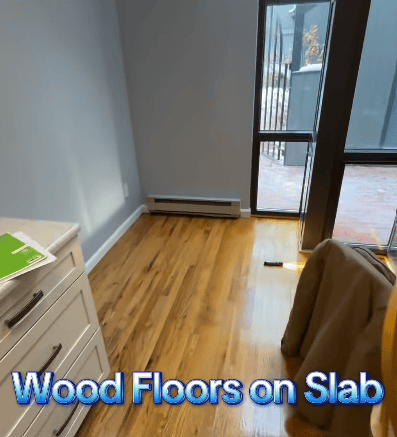
Photos via https://www.instagram.com/john_the_mold_guy/
Do You Always Need to Encapsulate?
No. Properly remediated, dry wood does not automatically need to be coated.
Encapsulation is another tool.
I am more likely to consider it after a substantial framing remediation, in an area with a history of moisture concerns, or when adding a mold-resistant finish makes sense for the project.
When Should Moldy Wood Be Removed?
I become much less interested in saving wood when it is:
- Rotten or structurally compromised
- Soft or crumbling
- Severely warped or deteriorated
- Impossible to clean adequately
- Impossible to dry
- Inaccessible inside a damaged building assembly
There is an important difference between mold contamination and structural damage.
Homeowners also sometimes ask whether they are dealing with mildew or black mold, but appearance alone is not a reliable way to determine what type of fungal growth is present. What matters during an assessment is understanding where the growth is occurring, why the material became wet, and whether the affected material can be properly cleaned or needs to be removed.
Mold on sound wood may be remediated, but structural decay cannot be cleaned away.
When I Would Bring in a Professional
A couple of accessible boards are very different from an attic full of moldy sheathing or an entire crawlspace.
I would get professional help when the project involves extensive framing, concealed contamination, structural damage, significant sanding, dry ice blasting, containment, or encapsulation.
This is where professional mold inspection services can help determine the extent of the problem before you commit to a remediation plan. An inspection can help identify moisture conditions, affected materials, areas that need further investigation, and whether the proposed scope of work matches what is actually present.
That’s also where an independent assessment can save you money.
At HNST Environmental, I determine what actually needs to be remediated and what can stay. I do not sell the remediation afterward.
If you’ve already received a proposal recommending wood removal, sanding, dry ice blasting, or encapsulation, I also offer remote consultations nationwide. I can review the photographs, reports, testing, and proposed scope before you authorize expensive work.
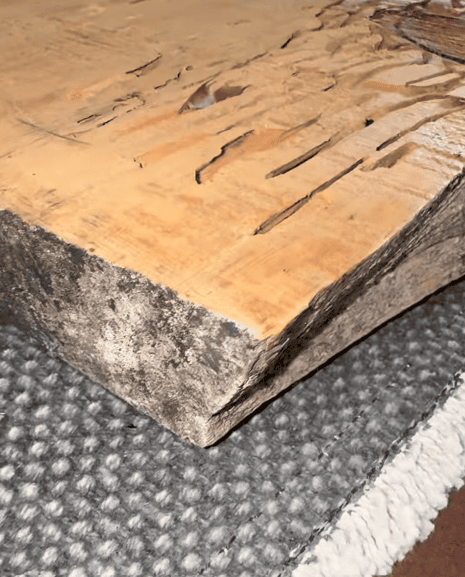
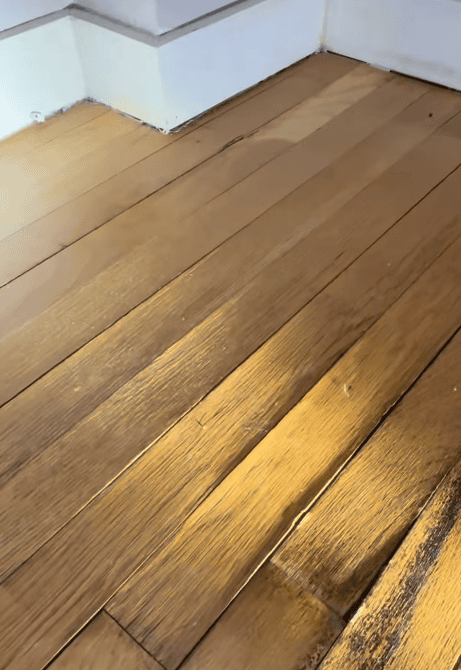
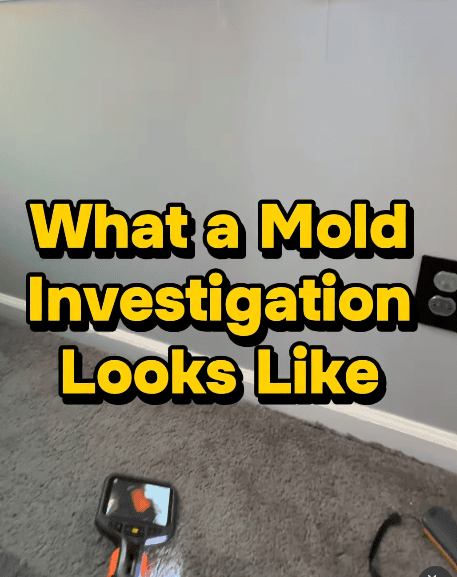
Photos via https://www.instagram.com/john_the_mold_guy/
The Bottom Line
If you want to know how to get rid of mold on wood, the process is:
Protect yourself. Determine whether the wood is sound. Remove the contamination. Correct the moisture source. Dry the wood completely. Then decide whether encapsulation adds value.
For small areas, cleaning or controlled sanding may be enough. For extensive exposed framing, dry ice blasting may be worth considering.
After successful remediation, I would look at Foster 40-51 for a clear finish, Foster 40-50 for a white coating, or Caliwel Industrial when minimizing VOCs and odor is especially important.
If you’re dealing with mold on wood and aren’t sure where to start, contact HNST Environmental to help you identify the source, evaluate the affected materials, and determine the right next steps for your home.

Tell us a little about your home and what's going on. Someone from our team gets back to you, usually within two business days, to set up your inspection. No pressure. No obligation.

Ready for real answers?
Let's get you on the schedule.
Schedule Inspection
Thank you for the message.

Follow us on Instagram
Call Now
Your request has been received, and a member of our team will contact you as soon as possible to schedule your inspection.
We look forward to assisting you and ensuring you have clear, reliable answers for your property
If you have any urgent questions in the meantime, please don't hesitate to contact us directly.
We look forward to assisting you and ensuring you have clear, reliable answers for your property.


