


October 1, 2026
John Skelly

Key Takeaways About Mold Inspection Checklists
- A good mold inspection should find the reason for the mold or moisture, not just confirm that mold exists.
- Testing, moisture meters, and thermal imaging are tools. None of them should replace an experienced investigation.
- You should leave the inspection knowing what was found, what caused it, what remains uncertain, and what to do next.
If you’re worried about mold, the last thing you need is a complicated inspection report that leaves you with more questions.
I’ve worked in mold, water damage, remediation, HVAC, and indoor environmental investigations since 2003. If I were hiring someone to inspect my own home, this is the New York mold inspection checklist I would use.
New York Mold Inspection Checklist
- Verify the New York Mold Assessor license.
- Tell the inspector about every known leak, flood, roof problem, plumbing failure, or previous mold remediation.
- Make sure they investigate where the moisture came from, not just where mold is visible.
- Ask whether the visible problem could extend behind, below, or above the area you can see.
- Make sure moisture meters and thermal imaging are used as investigative tools, not presented as proof of mold.
- If testing is recommended, ask what question the sample is supposed to answer.
- Ask what areas could not be inspected and what remains uncertain.
- Review a sample report before hiring the inspector. It should explain the problem and next steps, not just attach laboratory results.
- Make sure the company assessing the problem is independent from the company doing the remediation.
If an inspector can satisfy those nine points, you’re already asking better questions than most homeowners know to ask.
Additionally, if you’re looking for a mold inspection Westchester NY, these same principles apply: verify the assessor’s credentials, investigate the moisture source, and make sure the inspection explains what needs to happen next.
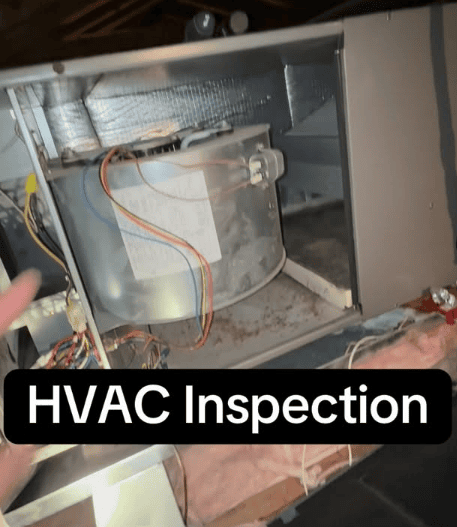
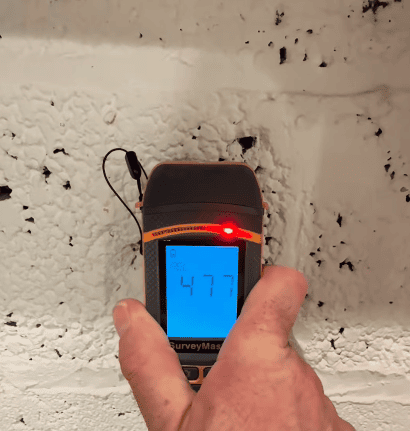
Photos via https://www.instagram.com/john_the_mold_guy/
The Most Important Thing: Follow the Water
When I find mold, I’m usually more interested in how the water got there.
Let’s say there is staining on a first-floor ceiling underneath an upstairs bathroom. I don’t just look at the stain. I want to know what leaked, how long it leaked, what materials the water passed through, and whether drywall, insulation, framing, or flooring may have been affected along the way.
The same applies to a roof leak. Fixing the roof stops new water from entering. It doesn’t tell me whether the materials underneath were properly dried or addressed.
If you’re researching how to get rid of mold on wood, the first question should still be why the wood became wet in the first place. Cleaning or treating the surface without addressing the moisture source can leave you dealing with the same underlying problem again.
That’s one of the biggest differences between finding mold and actually investigating a mold problem. The EPA explains why moisture control is essential to mold control.
Don’t Be Impressed Just Because Someone Has Expensive Equipment
Thermal cameras and moisture meters are useful, and although I use them, they are easy to misunderstand. A thermal camera does not see mold through a wall. It shows temperature differences that may give me a reason to investigate an area further.
A moisture meter doesn’t detect mold either.
If I get an unusual moisture reading, I may compare it with similar material nearby that appears dry. I want to understand whether the reading actually makes sense before drawing a conclusion.
The equipment provides clues, but the inspector still has to figure out what those clues mean.
Ask to See a Sample Report Before Hiring Someone
This is one of my favorite recommendations because it tells you a lot about how an inspector thinks. Don’t worry about whether the report looks fancy.
Pick one problem in the report and see whether you can answer:
- What did they find?
- What probably caused it?
- How far might it extend?
- Was there anything they couldn’t inspect?
- What should the homeowner do next?
If you can’t answer those questions after reading the report, I wouldn’t be impressed by 30 pages of photographs and laboratory data.
Mold Testing Should Have a Reason
Before paying for a mold sample, ask:
“What are we going to do differently depending on the result?”
People sometimes search for the best air cleaner for mold when they are concerned about indoor air quality, but an air cleaner does not identify the moisture source or determine whether hidden mold is present.
If nobody can answer that, I would question why the sample is being taken. While sometimes testing is useful, other times I already have visible mold, obvious water damage, and a known moisture source. Taking more samples may not tell me anything that changes what needs to happen.
The laboratory should help answer the investigation; it shouldn’t become the investigation.
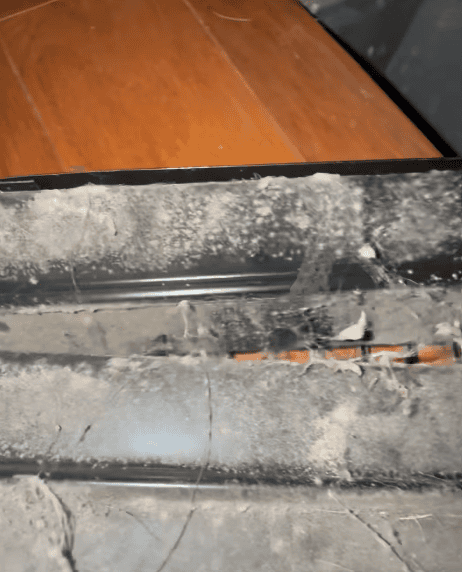
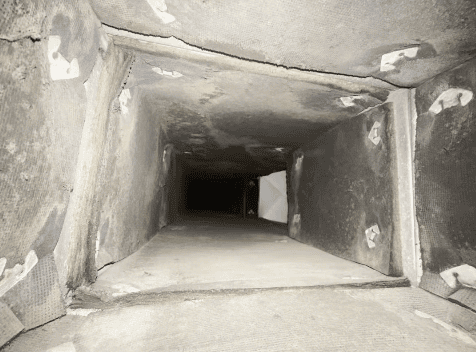
Photos via https://www.instagram.com/john_the_mold_guy/
The Bottom Line
If you’re using a New York mold inspection checklist, don’t make it complicated.
You want an inspector who can:
Find the moisture. Follow where it went. Determine what was affected. Explain what they know and what they don’t know. Then tell you what actually needs to happen next.
If you’re in HNST Environmental’s service area and need an independent mold inspection, I can evaluate the property onsite and help you understand what is happening, why it is happening, and what needs to happen next. If you already have an inspection report, mold test, or remediation estimate and aren’t sure whether the recommendations make sense, I also offer remote consultations. Visit HNST Environmental to learn more or schedule an inspection.

Tell us a little about your home and what's going on. Someone from our team gets back to you, usually within two business days, to set up your inspection. No pressure. No obligation.

Ready for real answers?
Let's get you on the schedule.
Schedule Inspection
Thank you for the message.

Follow us on Instagram
Call Now
Your request has been received, and a member of our team will contact you as soon as possible to schedule your inspection.
We look forward to assisting you and ensuring you have clear, reliable answers for your property
If you have any urgent questions in the meantime, please don't hesitate to contact us directly.
We look forward to assisting you and ensuring you have clear, reliable answers for your property.


