


October 1, 2026
John Skelly
Key Takeaways About Mold Inspection Cost
- A professional mold inspection in NJ can cost roughly $500 to $2,000 or more, depending on the property, the scope of the inspection, and how involved the investigation is.
- Larger homes, hidden moisture concerns, HVAC issues, and laboratory sampling can increase the price.
- Experience can also affect the cost of an inspection. An experienced inspector may charge more because you’re paying for years of field experience and the ability to recognize and investigate complicated building conditions.
- The important thing is understanding what the inspector is actually investigating for that price.
If you’re researching mold inspection cost NJ, a reasonable planning range is about $500 to $2,000 or more, depending on the size and complexity of the property, the experience of the inspector, and whether laboratory sampling is included.
The price can vary quite a bit because a focused inspection of one problem area is very different from spending several hours investigating an entire house with previous water damage, unexplained odors, HVAC concerns, and possible hidden mold.
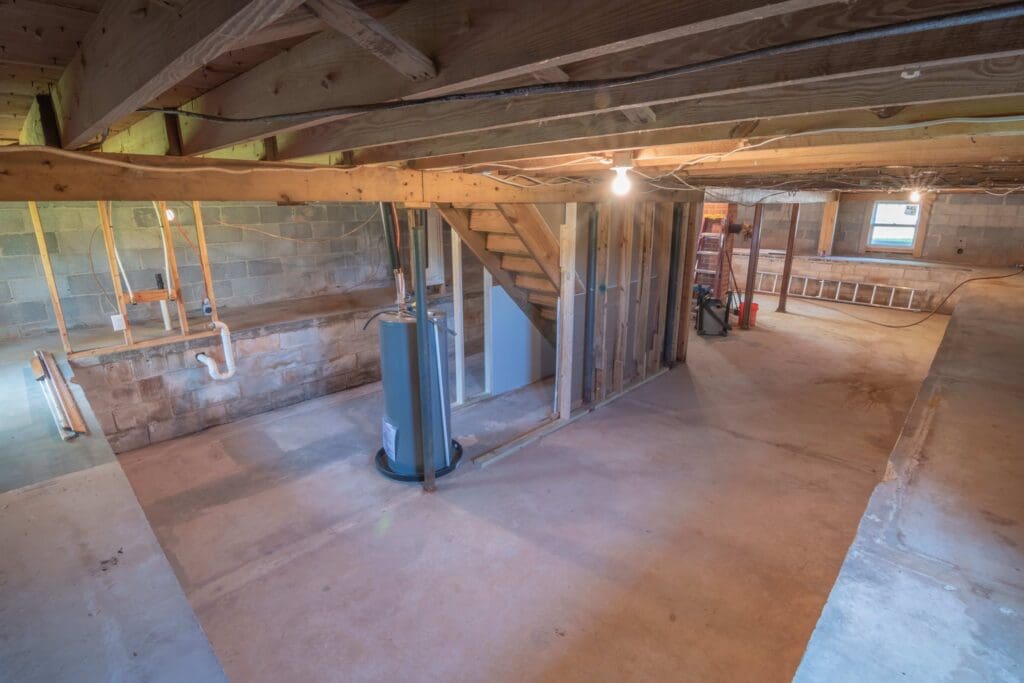
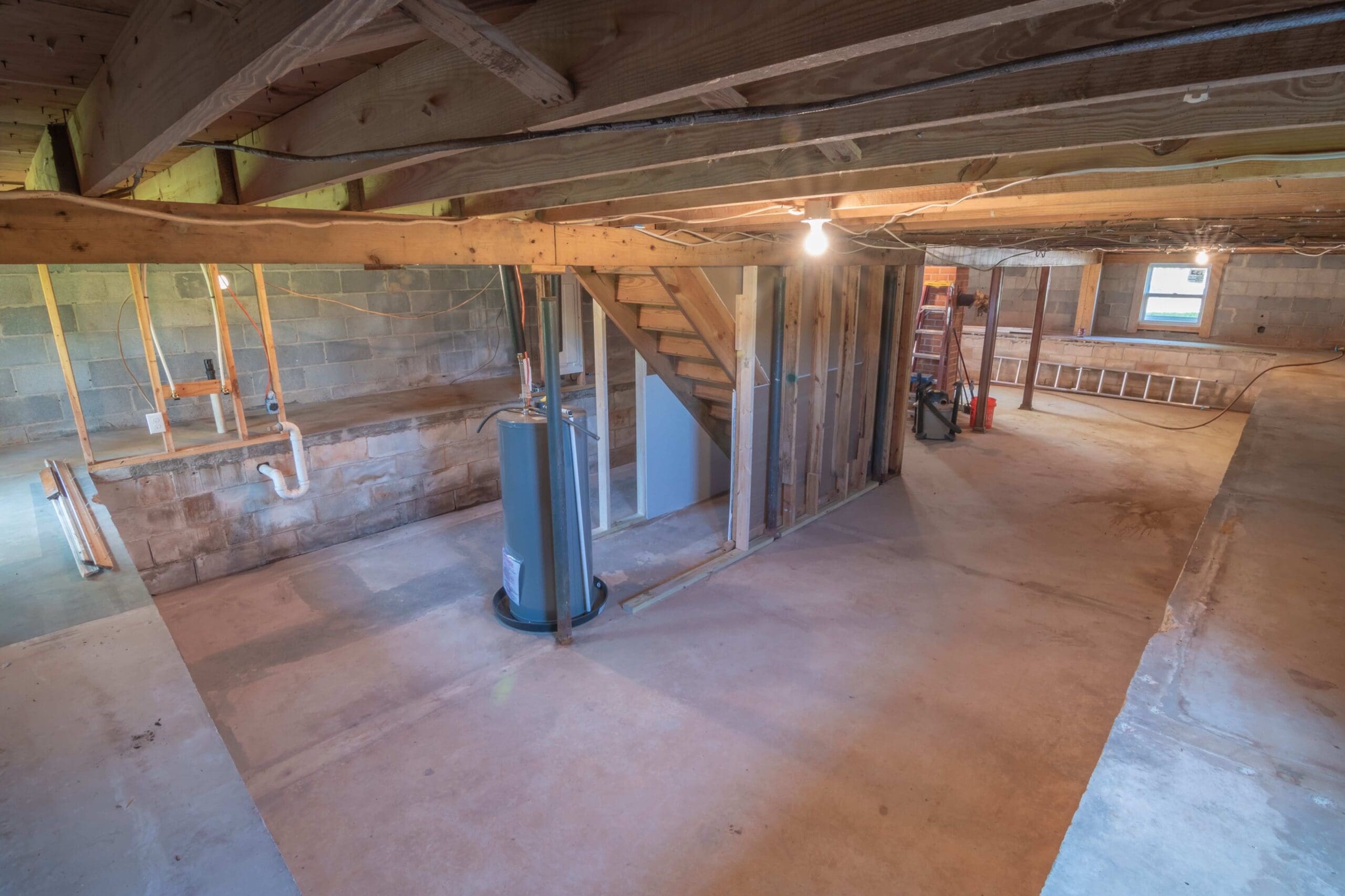
Basements can reveal important moisture and building conditions during a professional mold inspection.
What Makes a Mold Inspection Cost More?
The main factors are pretty straightforward:
- Size and complexity of the home
- Number of areas you’re concerned about
- Basements, crawlspaces, and attics
- Previous flooding or water damage
- Suspected hidden mold
- HVAC or ductwork concerns
- Air, surface, or wall-cavity samples
- Laboratory fees
A known plumbing leak affecting one wall may be relatively simple to investigate.
A musty smell in a house with no visible mold in NJ can require much more work because I have to figure out where the problem may actually be coming from.
The more complicated the building or the problem, the more time and expertise may be required to understand what’s happening.
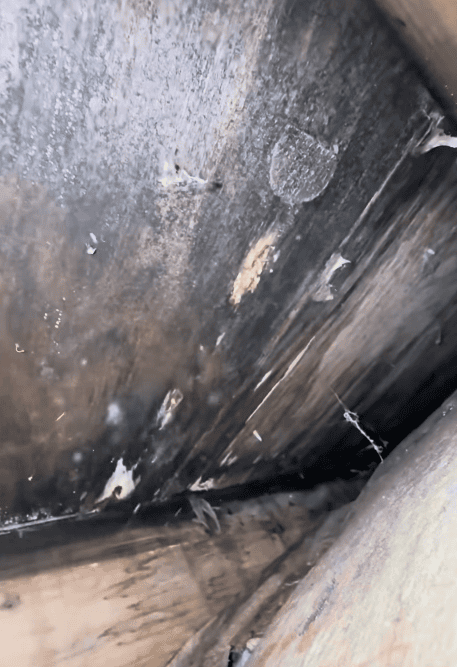
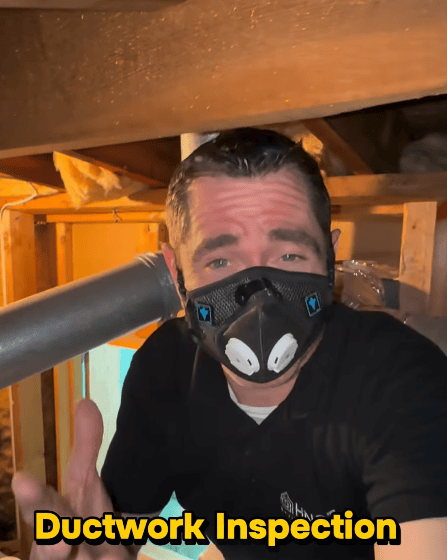
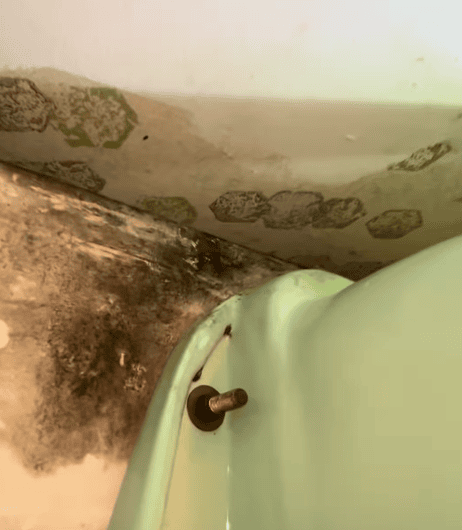
Photos via https://www.instagram.com/john_the_mold_guy/
Does Experience Affect the Cost of a Mold Inspection?
Experience can affect the price, and I think that’s something homeowners should understand when comparing inspections.
You’re not just paying for the amount of time someone spends inside the house. You’re also paying for the experience they bring to the investigation and their ability to recognize conditions that may not be obvious.
In my case, my inspection rate can be several hundred dollars higher than what some of the less-experienced inspectors or subcontractors I work with may charge. That’s because I’m bringing more than 20 years of experience in mold, water damage, remediation, HVAC, and indoor environmental investigations to the inspection.
For example, a focused inspection without laboratory sampling may start around $695, while an inspection that includes three samples may be around $1,000 or more. The actual price depends on the property, the scope of the investigation, and what we find.
I don’t think everyone needs the most expensive inspection. But I do think you should understand what you’re paying for and what level of experience you’re getting.
What Are You Actually Paying For?
You’re not just paying someone to walk through the house looking for black spots.
If you’re considering a mold inspection before buying a house NJ, understanding what the inspection actually covers is especially important before you commit to the purchase.
I’m looking at the history of the building and trying to piece together what happened.
That can include previous leaks, moisture patterns, basements, attics, plumbing areas, HVAC equipment, and places where water may have traveled beyond the area where it first became visible.
I may use moisture meters, thermal imaging, or a borescope when they help answer a question.
The value is knowing where to look and what the findings actually mean.
How Does Mold Testing Affect the Price?
Sampling can be an important part of an inspection. I use air, surface, and wall-cavity testing when it can give me useful information about what’s happening in the building.
For example, testing may help me evaluate possible cross-contamination, investigate suspected hidden mold, or help determine what I’m looking at when there is visible mildew or black mold. The number of samples depends on the house and what we’re trying to figure out. That’s different from deciding before the inspection that every room automatically needs an air sample.
More samples mean additional laboratory costs, which is one reason a comprehensive inspection can cost substantially more than a limited one.

A mold inspection involves carefully evaluating the indoor environment for potential moisture, mold, and other conditions that may require further investigation.
Don’t Compare Quotes Without Comparing the Scope
If one company quotes $600 and another quotes $1,400, ask what each inspector is actually doing.
I would want to know:
- How much of the house is being evaluated?
- Are the attic, basement, or crawlspace included?
- Is HVAC included when relevant?
- What sampling is included?
- Will you receive a written report explaining the findings?
Sometimes the cheaper inspection is exactly what you need. However, sometimes it barely investigates the problem.
The lowest price isn’t necessarily the best value if the inspection doesn’t answer the questions you actually have about the property.
One Thing to Know About Mold Inspectors in New Jersey
New Jersey does not have the same state mold-assessor licensing system that New York has. The New Jersey Department of Health states that there are no state certification programs for companies performing mold or general indoor air and/or environmental health services.
Because of that, I would pay attention to the inspector’s actual field experience and professional credentials.
I’m a Council-Certified Indoor Environmental Consultant and have worked in mold, water damage, remediation, HVAC, and indoor environmental investigations since 2003.
HNST Environmental also performs inspections independently from remediation. I’m there to investigate the property and tell you what I believe the evidence supports, not to sell you the cleanup afterward.
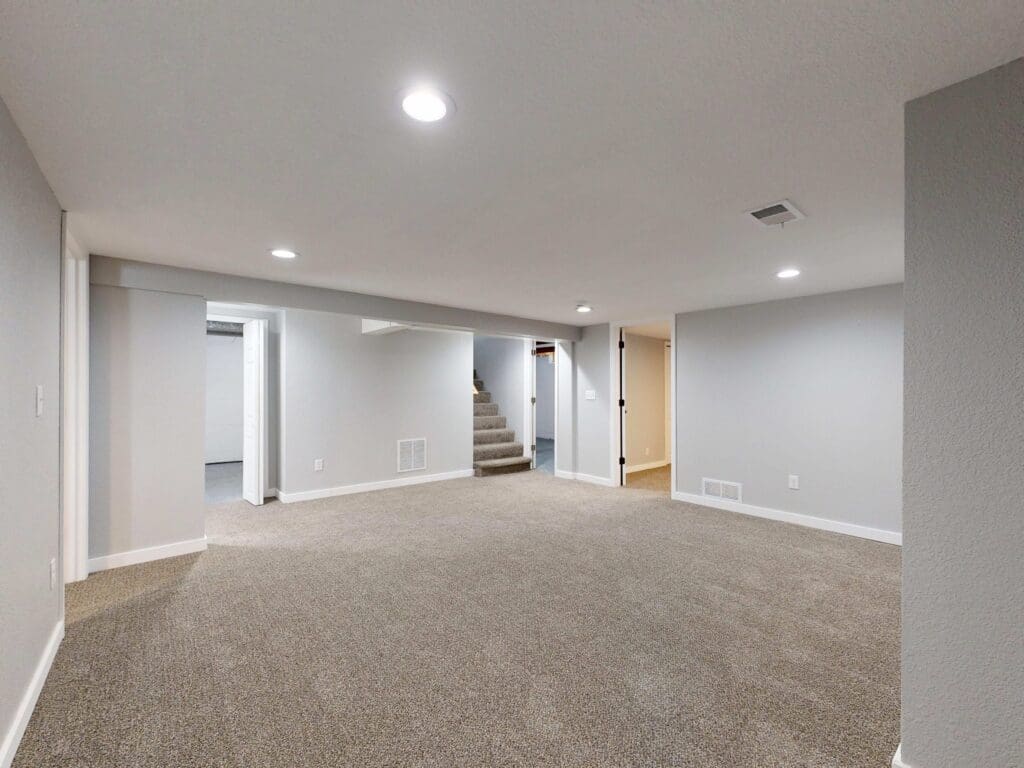
Finished basements can conceal moisture issues behind walls, under flooring, or around plumbing, making them an important area to consider during a mold inspection.
Need a Mold Inspection in New Jersey?
HNST provides both focused and comprehensive mold inspections throughout New Jersey.
If you have a concern but aren’t sure where to start, contact HNST Environmental and tell us what you’ve noticed. We can help you determine whether you need a full inspection, a more focused investigation, or simply a better understanding of the issue before you move forward.

Tell us a little about your home and what's going on. Someone from our team gets back to you, usually within two business days, to set up your inspection. No pressure. No obligation.

Ready for real answers?
Let's get you on the schedule.
Schedule Inspection
Thank you for the message.

Follow us on Instagram
Call Now
Your request has been received, and a member of our team will contact you as soon as possible to schedule your inspection.
We look forward to assisting you and ensuring you have clear, reliable answers for your property
If you have any urgent questions in the meantime, please don't hesitate to contact us directly.
We look forward to assisting you and ensuring you have clear, reliable answers for your property.


